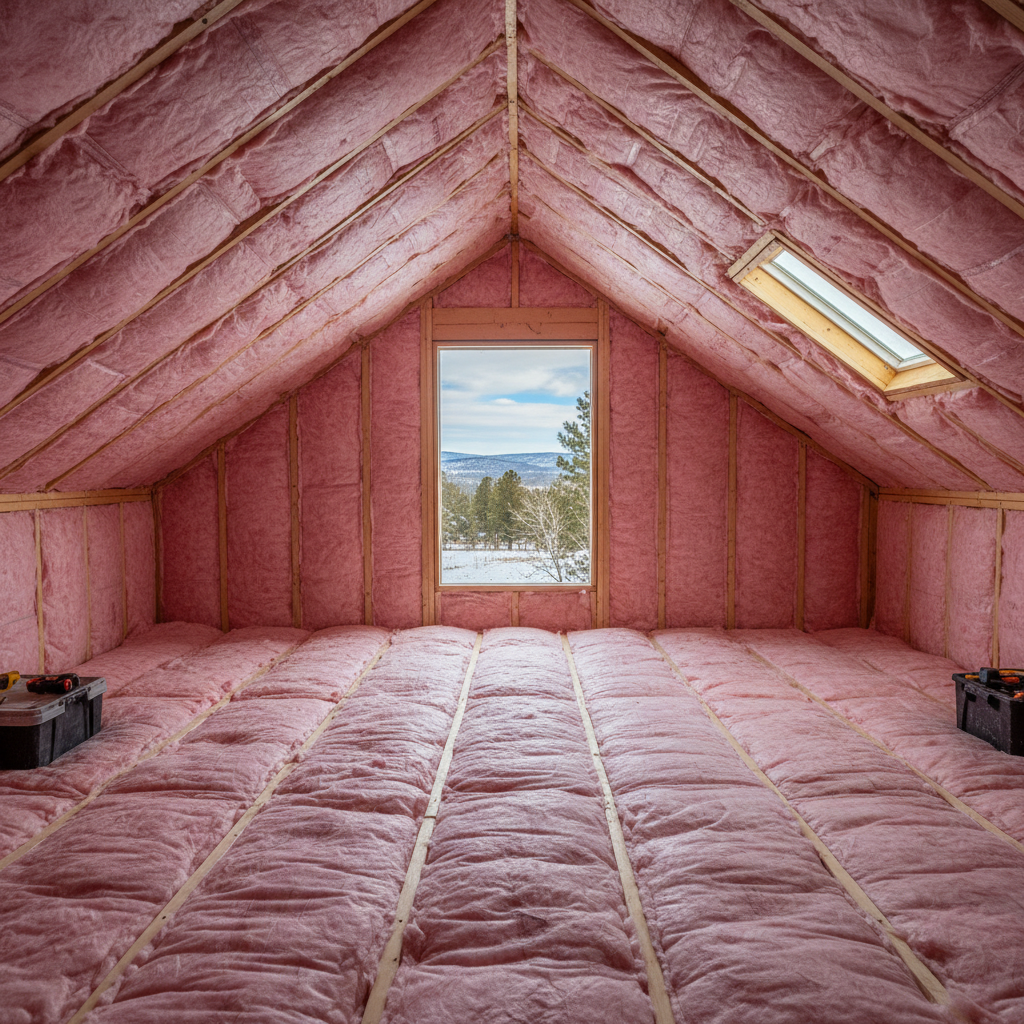
So, you're thinking about upgrading your home's comfort and slashing those utility bills with some fresh batt insulation. Good call. But here in Sturgis, where we swing wildly from scorching summers to bone-chilling winters, picking the right time for your installation isn't just a suggestion; it's absolutely critical for a smooth job and the best possible outcome. I've seen pretty much everything over my years in this business, and trust me, some times are definitely better than others for this kind of work.
When's the Best Time to Put in Batt Insulation?
Honestly, the sweet spot for putting in batt insulation is usually spring or fall. Why then? Because the weather tends to be more predictable, and it's generally milder. You really don't want to be wrestling with rolls of fiberglass in an attic that's pushing 120 degrees in July, or trying to seal up air leaks when it's -20 in January. It's just not practical, and it can actually mess with how well the work gets done.
Think about it: when it's too hot, the crew's efficiency naturally drops, and nobody wants a rushed job, especially not this kind. When it's too cold, working with adhesives and sealants can get pretty tricky. Plus, you're likely cranking up the heat or AC during extreme weather, and having your attic or walls opened up for insulation work can seriously disrupt your indoor comfort and drive up those energy bills for a few days. Scheduling during the shoulder seasons means less hassle for your daily life and a much more comfortable experience for everyone involved.
Weather Conditions That Really Affect the Job
Our Sturgis weather can definitely throw us some curveballs, and a few specific conditions can seriously impact a batt insulation install:
- Extreme Temperatures: Like I mentioned, super hot or super cold days are just plain tough. Attics can turn into ovens or freezers. It’s not just about keeping the crew comfortable; it’s also about their safety and making sure the materials work as they should.
- High Winds: This is a big one, especially if we're working on exterior walls or if the attic access happens to be exposed. Batt insulation, being light and fibrous, can get picked up easily. A strong gust can send materials flying, making it tough to get a clean, tight fit. And really, who wants insulation fibers blowing all over the neighborhood? We get plenty of wind coming off the Black Hills, so we always keep a close eye on the forecast.
- Rain or Snow: This might seem obvious, but you absolutely cannot install batt insulation if there's even a slight chance of it getting wet. Wet insulation loses its R-value, can compress, and can even lead to mold issues down the road. If we're working in an attic and there's a leak or a forecast for rain, we'll reschedule. Same goes for wall cavities if we're doing an exterior re-siding project. We need everything dry, dry, dry.
- Humidity: While not quite as critical as direct moisture, extremely high humidity can make some materials harder to work with. It can also signal potential moisture problems in your home that we really need to sort out before any insulation goes in.
We're always checking the forecast before we head out. If it looks like conditions aren't ideal, we'll get in touch to adjust the schedule. It's always better to wait a few days for good weather than to do a rushed or compromised job, wouldn't you agree?
Protecting Your Investment Year-Round
Once that new batt insulation is in, you've made a great investment in your home. But the work doesn't stop there if you want it to last. Here's how to protect it:
- Keep it Dry: This is number one, hands down. Regularly inspect your roof for leaks, especially after heavy storms or winter thaws. Check around vents, chimneys, and skylights. If you spot any water stains on your ceiling or attic insulation, get it fixed immediately. Water is the absolute enemy of insulation.
- Ventilation is Key: Good attic ventilation helps stop moisture from building up and keeps your attic temperatures more stable. That's good for both your insulation and your roof. Make sure those soffit vents aren't blocked and ridge vents are clear.
- Pest Control: Rodents, birds, and insects just love to nest in insulation. They can compress it, tear it up, and leave droppings that mess with its effectiveness and your air quality. Seal up any entry points into your attic or wall cavities. Look for gaps around pipes, wires, and foundation cracks.
- Don't Store Heavy Items on it: If you've got batt insulation on your attic floor, don't stack boxes or walk directly on it. Compression reduces its R-value. If you need storage space up there, make sure you've got a proper attic decking system installed *above* the insulation.
- Regular Check-ups: Every few years, or if you're up there for another reason, take a quick peek at your insulation. Look for any signs of damage, compression, or moisture. Catching small issues early can save you a lot of headaches and money down the road.
Getting your batt insulation installed correctly and at the right time makes a huge difference in how well it performs and how long it lasts. Here at Classic Insulation Co., we're all about doing the job right the first time, taking into account everything our Sturgis climate throws at us. We want you to be comfortable and save money on those energy bills for years to come.
Thinking About an Upgrade?
If you're considering new batt insulation or just want to know if your current setup is really doing its job, give us a call. We're happy to come out, take a look, and give you an honest assessment. We'll help you figure out the best timing for your project so you get the most out of your investment.