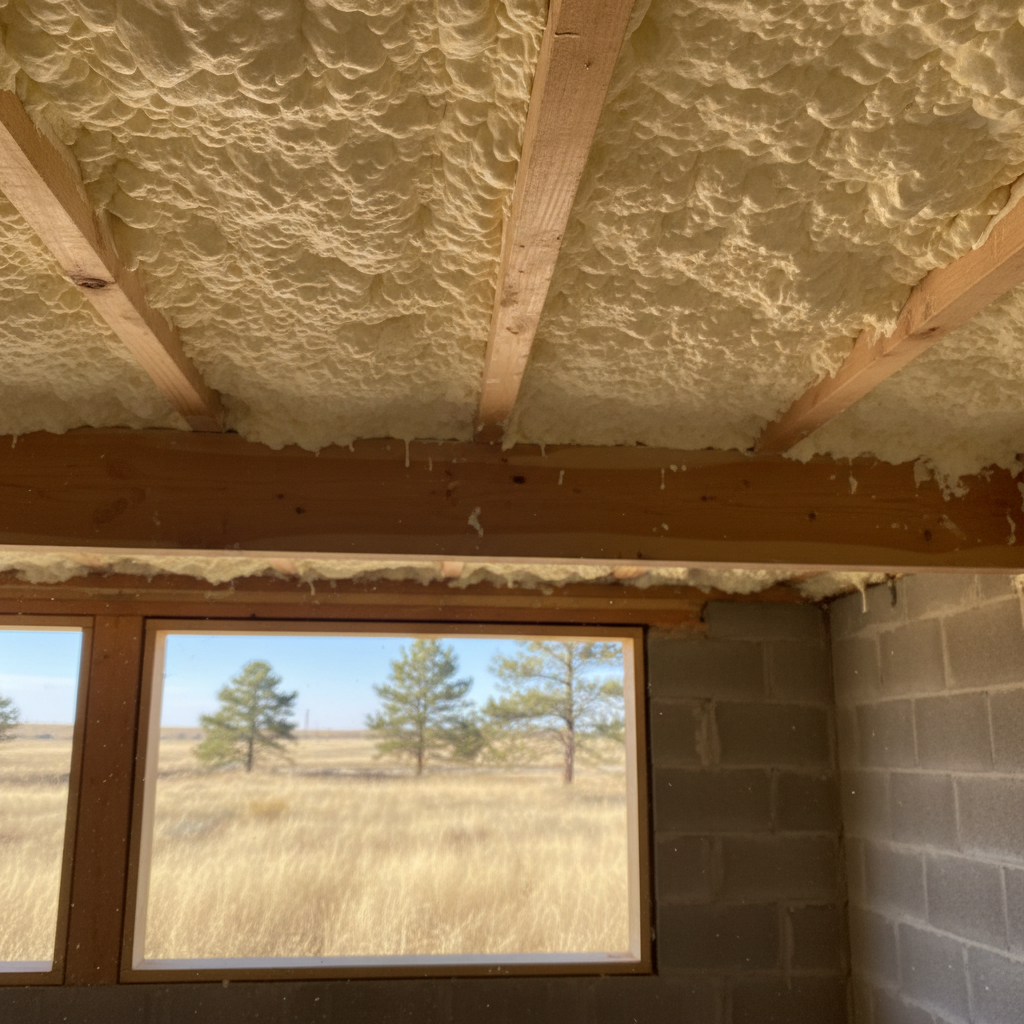
Alright, let's talk about closed-cell spray foam. You hear a lot of buzz about it, and for good reason. It’s not just insulation; it’s a whole system that can make a huge difference in your home's comfort and energy bills, especially here in Sturgis where we get those brutal winters and surprisingly hot summers. But it’s also not a DIY job for the faint of heart, or really, for anyone without serious training. So, what do you need to know?
Before the Project: Planning and Prep
First off, understand what closed-cell foam does. It’s dense. It creates a vapor barrier and an air seal all in one go. That means it stops air leaks, keeps moisture out, and insulates like crazy. This is a big deal if you’ve got an older home, maybe one of those charming places up on Lazelle Street, that’s drafty and expensive to heat. You're looking at a significant investment, so you want to get it right.
What you can do yourself:
- Research your contractor: Don't just pick the first name you see. Ask around. Get recommendations from neighbors. Make sure they're licensed and insured. Check their reviews. A good contractor, like us at Classic Insulation Co, will walk you through the whole process and answer all your questions.
- Clear the area: If we're spraying your attic, get all your stored stuff out. If it’s walls, move furniture, take down pictures. You want a clear path for the crew. This saves time and keeps your belongings safe.
- Understand the scope: Ask your contractor exactly what areas they'll be insulating. Will they be sealing penetrations for pipes and wires? What R-value are they aiming for? Don't be afraid to ask for specifics.
- Ventilation considerations: Because closed-cell foam seals so tightly, your home might need mechanical ventilation, especially if it’s an older, leaky house becoming super tight. This isn't always necessary, but it's a conversation to have with your contractor. You don't want to trap stale air, do you?
When to call a pro:
Always, for the actual application. Seriously. This isn't like rolling on paint. Spray foam requires specialized equipment, proper safety gear (respirators are a must), and a lot of training to apply correctly. If it’s not mixed and applied perfectly, you end up with a mess, off-gassing issues, and insulation that doesn't perform. It’s just not worth the risk or the potential headaches down the road.
During the Project: Safety and Execution
When the crew shows up, you'll see them suiting up in full PPE – respirators, hazmat suits, gloves. That’s not for show; it’s because the chemicals involved are potent until they cure. You and your pets absolutely need to be out of the house during application and for a specific period afterward, usually 24-48 hours. Your contractor will give you precise instructions on this. Don't try to sneak back in early.
The application itself is fast. You'll hear the spray guns, and it can be a bit noisy. The foam expands quickly, filling every nook and cranny. This is where you see the magic happen – those drafts you felt around your rim joists or in your attic are gone almost instantly.
What you can do yourself:
- Stay away: As mentioned, don't be in the house. Period.
- Communicate: If you have any last-minute questions or concerns, bring them up with the crew lead before they start spraying. Once the foam is going down, it's harder to make changes.
When to call a pro:
Again, the application is 100% a professional job. They're handling chemicals, high-pressure equipment, and making sure the foam adheres properly and cures correctly. There’s no DIY shortcut here that’s safe or effective.
After the Project: Curing and Enjoying the Benefits
Once the foam is applied, it needs to cure. This is why you stay out of the house. The curing process can take a day or two, and during this time, any residual fumes dissipate. Your contractor should confirm when it’s safe to re-enter.
When you get back in, you’ll notice a difference almost immediately. Your home will feel quieter. The temperature will be more consistent from room to room. Your furnace and AC won't be running as hard. This is the payoff for your investment.
What you can do yourself:
- Monitor your energy bills: You should see a noticeable drop in heating and cooling costs. Keep an eye on them to confirm the improvement.
- Check for comfort: Walk around your house. Feel for drafts you used to have. Enjoy the consistent temperatures.
- Maintain your home: Just like any other part of your home, regular maintenance is key. But with spray foam, there’s very little you need to do to the insulation itself once it’s in. It’s a permanent solution.
When to call a pro:
If you have any concerns about the foam after it’s cured – maybe you smell something odd that doesn't go away, or you notice a spot that doesn't seem right – call your contractor right away. A reputable company stands by their work. That's how we operate at Classic Insulation Co. We want you to be comfortable and happy with the results for years to come.
Closed-cell spray foam is a fantastic product when installed correctly. It’s an investment that pays off in comfort, energy savings, and a healthier home. Just make sure you're partnering with the right professionals to get it done.