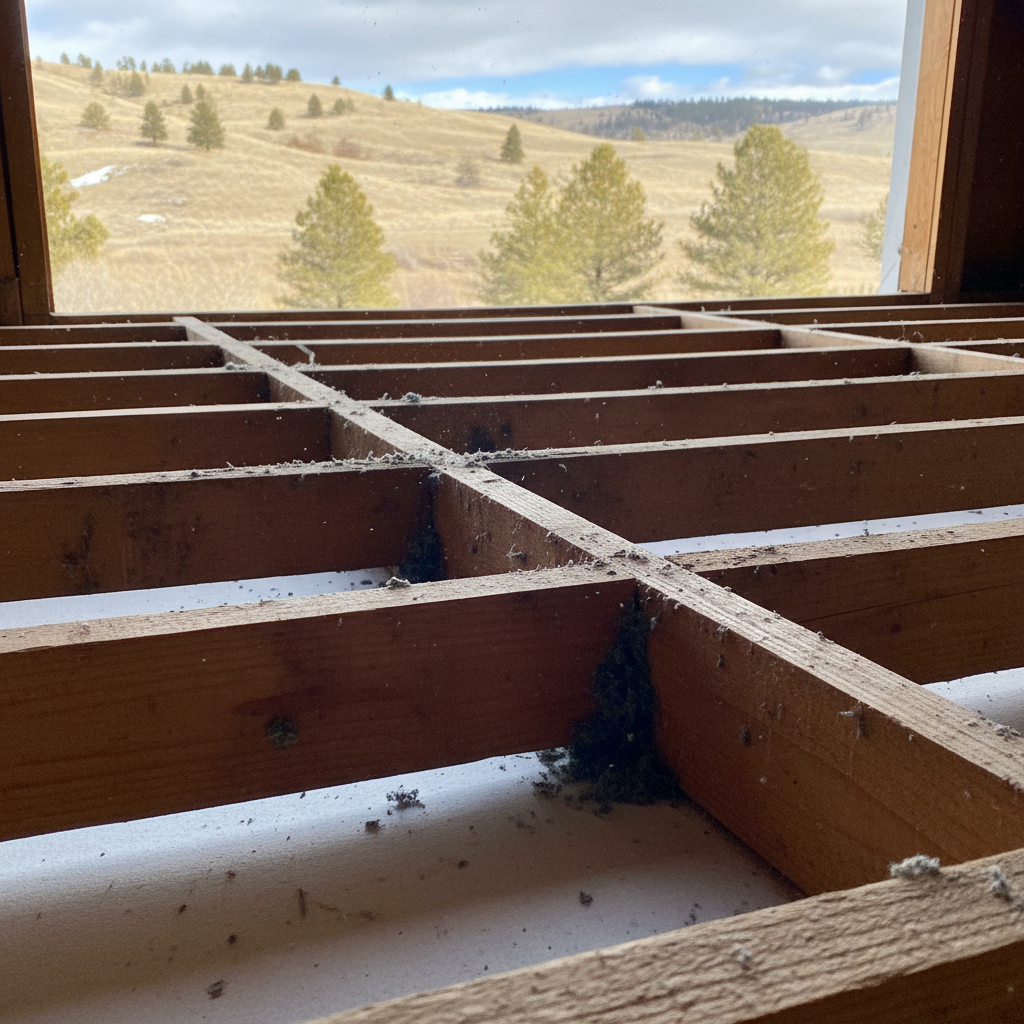
So, you've got some old insulation in your attic or walls, and you're thinking it's time for it to go. Maybe you're upgrading, maybe some critters made a home there, or perhaps it's just seen better days. Whatever the reason, getting rid of insulation isn't always as simple as just bagging it up. Here in Sturgis, with our wild temperature swings and sometimes damp attics, figuring out when to tackle it yourself and when to call a pro can save you a lot of headaches—and maybe even your health.
Why Even Bother Removing Insulation?
Most folks don't really think about insulation removal until there's a serious reason. It's not like painting a room; you don't just do it for a fresh look, right? Usually, it boils down to a few key issues:
- Water Damage: Leaky roof? Burst pipe? Wet insulation loses its R-value, can grow mold, and just won't do its job anymore. You absolutely have to get that out.
- Pest Infestations: Rodents, bats, birds – they love making homes in insulation. Their droppings and nesting materials contaminate it, creating odors and health hazards. You can't just cover that up; it needs to go.
- Mold and Mildew: Even without a major leak, sometimes humidity can lead to mold growth, especially in older homes with poor ventilation. If you see or smell mold, that's a big red flag.
- Major Upgrades: If you're doing a big renovation, like adding a second story or completely redoing an attic, sometimes it's just easier to strip it all out and start fresh. This is especially true if the old stuff is inefficient or compacted.
- Asbestos or Vermiculite: This is a huge one. If your home was built before the late 80s, you might have vermiculite insulation, which often contains asbestos. This is NOT a DIY job, ever.
When You *Might* Be Able to DIY It
Alright, let's talk about what you *might* be able to handle yourself. If you have relatively new, clean fiberglass batts or blown-in cellulose that's dry, free of pests, and not compacted, you *could* potentially remove it. This usually happens when you're just doing a small section for a minor repair or a very localized upgrade.
Here's what you'll need:
- Serious PPE: We're talking a good quality N95 or P100 respirator, not just a flimsy dust mask. Goggles that seal around your eyes. A Tyvek suit to cover your clothes. Gloves. Insulation fibers are nasty stuff to breathe in or get on your skin.
- Heavy-Duty Bags: Contractor bags, the thick kind. You really don't want these tearing.
- Good Lighting: Attics are dark. You'll need a bright headlamp or a work light.
- Plywood or Boards: To lay across joists if you're in an attic; this keeps you from stepping through the ceiling.
- Shop Vac with HEPA Filter: A regular household vacuum won't cut it and will just blow fibers everywhere.
Carefully bag up the insulation, trying to disturb it as little as possible. Seal those bags tight. Vacuum up any remaining debris. Make sure you've sealed off the work area from the rest of your house with plastic sheeting and tape to prevent dust from spreading. This is crucial, by the way. If you've got forced air, turn off your HVAC system while you're working.
When to ABSOLUTELY Call a Professional
Look, I'm all for saving a buck, but some jobs are just too risky or too big for a homeowner. This is where Classic Insulation Co. and other pros come in. You need to call us if:
- Asbestos or Vermiculite is Suspected: I mentioned this before, but it bears repeating. This is a hazardous material that requires specialized training, equipment, and disposal methods. Don't touch it. Get it tested, and if it's positive, call a licensed abatement company.
- Extensive Mold Growth: A small patch you can clean with bleach? Maybe. But if it's widespread, deeply embedded, or you're sensitive to mold, you need professionals. They can contain it properly and prevent spores from spreading throughout your home.
- Major Pest Infestations: If you've had a family of raccoons living in your attic for months, or a massive rat problem, the contamination can be severe. This isn't just about removing insulation; it's about decontamination and sanitization. You need specialized vacuum systems and cleaning agents.
- Large Areas or Difficult Access: If you're trying to remove insulation from a whole attic that's hard to move around in, or from wall cavities, it's a huge, messy, and potentially dangerous job. Professionals have industrial-grade insulation removal vacuums that can suck out insulation much faster and cleaner than you ever could with a shop vac.
- Health Concerns: If you have asthma, allergies, or other respiratory issues, exposing yourself to insulation fibers, mold spores, or pest allergens is just a bad idea.
We've seen it all, from bat guano in old Sturgis Victorian attics to water-logged cellulose after a particularly heavy Black Hills snowmelt. Trying to tackle these kinds of jobs yourself can lead to incomplete removal, spreading contaminants, or even injury.
What Happens After Removal?
Once the old insulation is out, the space needs a thorough cleaning. For pest issues, this often means sanitizing the area. Then, you're ready for new insulation. This is your chance to upgrade to something more efficient, like blown-in fiberglass, cellulose, or even spray foam, depending on your needs and budget. A clean slate means better performance from your new insulation.
Don't underestimate the complexity of insulation removal. Sometimes, the best DIY is knowing when to pick up the phone and call Classic Insulation Co. We're here to help Sturgis homeowners make the right choices for their homes and their health.