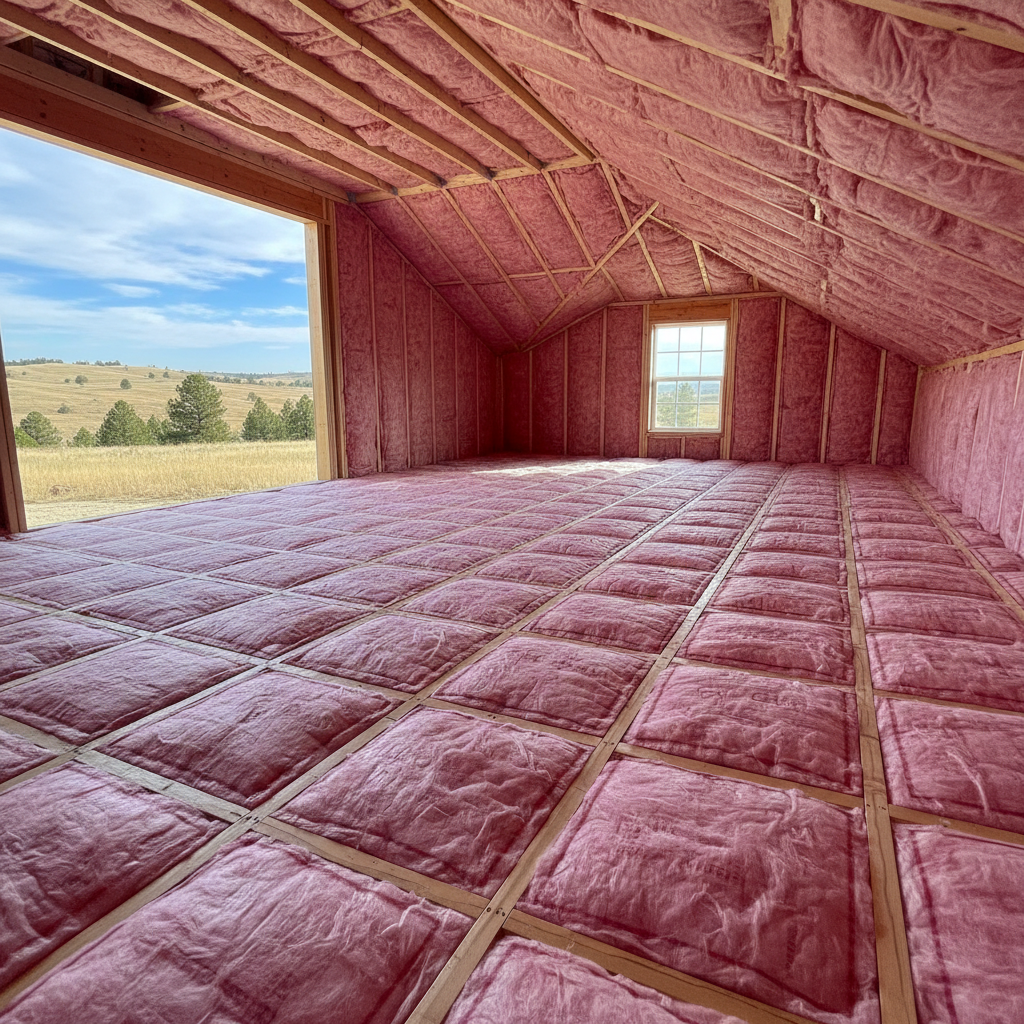
So, you've got batt insulation tucked away in your attic, walls, or crawl space. Maybe Classic Insulation Co. even put it in for you. That's a really solid choice for keeping your home energy efficient and comfy, especially with our wild Sturgis weather, right? But here's the thing: just like anything else in your home, it's not a "set it and forget it" kind of deal if you want it to truly last and perform its best. You've gotta give it a little attention.
Extending Your Batt Insulation's Lifespan
The good news is, batt insulation is pretty tough stuff. It's not just going to fall apart on its own overnight. The biggest threats to how long it lasts usually come from outside. Think moisture, pests, and physical damage. Keeping those things in check? That's your main job.
First off, moisture is the absolute enemy. If batt insulation gets wet and stays wet, it loses its R-value, gets heavy, sags, and can even turn into a breeding ground for mold. That's a really bad scene. So, make sure your roof is in good shape. Check for leaks after those heavy rains or when the snow finally melts off your roof in the spring. If you've got any plumbing running through your attic or walls, keep an eye on those connections too. Even a small drip can cause big problems over time, trust me.
Ventilation is also super important, especially in the attic. Good airflow stops moisture from building up due to condensation. Here in Sturgis, we experience some pretty drastic temperature swings, from scorching summers to bitter cold winters. Proper attic ventilation helps regulate those temperatures and keeps moisture from condensing on the underside of your roof sheathing, which could then drip onto your insulation. Make sure your soffit and ridge vents aren't blocked by dust, debris, or even paint if you've recently had exterior work done.
Pests are another big one. Rodents, birds, and even insects absolutely love to nest in insulation. They compact it, tear it apart, and leave droppings, all of which really reduce its effectiveness. Seal up any entry points into your attic or crawl space. Look for gaps around pipes, wires, and vents. A little bit of steel wool and caulk can go a long way in keeping those critters out.
Regular Maintenance: What to Look For
You don't need to be up in your attic every single weekend, but a quick check-up once a year — maybe in the fall before the cold really hits, or in the spring — is a smart move. Here's what I'd recommend you look for:
- Sagging or Compression: Batts should look fluffy and fill the space they're in. If you see them sagging between joists or looking flattened and thin, that's a sign of a problem. It could be moisture, pests, or just age.
- Gaps: Are there any spots where the insulation has pulled away from the framing, leaving gaps? Cold air can sneak right through those openings, completely bypassing your insulation.
- Stains or Discoloration: Any dark spots, water stains, or mold growth are huge red flags. That means you've got a moisture problem that needs your immediate attention.
- Pest Activity: Look for droppings, nests, or chewed-up insulation. If you see signs of critters, you'll need to address the infestation and then repair or replace the damaged insulation.
- Blocked Vents: As I mentioned earlier, make sure your attic vents aren't blocked. Sometimes insulation can shift and accidentally cover soffit vents, which chokes off airflow.
If you're dealing with an older home, especially one in the older parts of Sturgis like near Main Street, you might find that the original insulation has settled quite a bit over the years. This isn't necessarily a "problem" in the sense of damage, but it does mean you're probably not getting the R-value you should be. That's when you start thinking about adding more on top, you know?
Warning Signs You Might Have a Problem
Beyond what you see up close, your home will actually tell you if something's off with your insulation. Pay attention to these things:
- Higher Energy Bills: If your heating or cooling costs suddenly spike without a change in how much you're using things or a jump in utility rates, compromised insulation is a prime suspect.
- Drafts or Cold Spots: Feeling cold air near walls, ceilings, or floors, even when your furnace is running, can point to gaps or not enough insulation.
- Ice Dams: This is a big one for us here in the Black Hills. If you're getting significant ice dams on your roof edges during winter, it often means heat is escaping from your attic and melting snow, which then refreezes at the colder eaves.
- Pest Noises: Hearing scratching, scurrying, or chirping in your walls or attic is a definite sign you've got uninvited guests making themselves at home in your insulation.
When to Call a Professional
Look, I'm all for DIY, but there are definitely times when you need to bring in the pros. If you spot any of the major warning signs — significant water damage, widespread mold, a serious pest infestation, or major structural issues causing insulation problems — don't mess around. These can be health hazards or simply require specialized tools and knowledge to fix correctly.
Also, if you're just unsure about how bad the damage is, or if you're not comfortable getting into tight, dusty, or potentially hazardous spaces like an attic or crawl space, that's what we're here for. We can safely assess the situation, figure out the root cause of the problem, and recommend the best course of action, whether it's minor repairs or a full insulation replacement. Sometimes, just getting an experienced eye on things can save you a lot of headaches and money down the road. Don't hesitate to give Classic Insulation Co. a call if you're seeing any of these issues.